
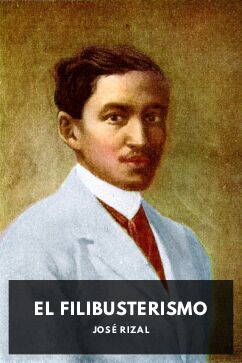
El Filibusterismo - José Rizal
Let's be honest, 'El Filibusterismo' (or 'The Reign of Greed') has a reputation. It's the 'angrier' sequel to Rizal's 'Noli Me Tangere,' and that's saying something. But don't let that scare you off. This is a political thriller dressed in 19th-century clothes.
The Story
Thirteen years after the events of 'Noli,' we meet Simoun, a wealthy, cynical jeweler with blue-tinted glasses. He's a fixture in Manila's elite circles, close to the powerful Spanish officials. But Simoun has a secret: he is Crisostomo Ibarra, the idealistic hero from the first book, presumed dead. His beloved Maria Clara is gone, and his hope for peaceful reform is buried with her. Now, he's back with a single, burning purpose: revenge. Using his wealth and influence, he deliberately fuels the corruption and injustice of the colonial system, pushing everyone—oppressors and oppressed—toward a breaking point. His masterstroke is a plot to blow up a high-society wedding using a lamp filled with explosives, a symbolic act meant to ignite a popular uprising.
Why You Should Read It
This book hits differently. While 'Noli' broke my heart, 'Fili' lit a fire in my gut. Simoun is a fascinating, tragic figure. You watch a good man become the very monster he hates, and Rizal forces you to ask: Is he a villain or a product of a villainous system? The supporting cast—from the struggling student Basilio to the hopelessly corrupt officials—paints a picture of a society rotting from the inside. It's not just about Spain versus the Philippines; it's about how oppression warps everyone it touches. The tension isn't just in the bomb plot; it's in every conversation, every glance, every moment where someone chooses compromise over conscience.
Final Verdict
This is a must-read if you love complex, morally gray characters and stories where the 'right' path is never clear. It's perfect for fans of historical fiction that feels urgent and relevant, and for anyone who wants to understand the deep, painful roots of revolution. It's a challenging, sometimes bleak read, but it's also incredibly powerful. You won't just finish this book; you'll sit with it for a long time afterward, thinking about justice, sacrifice, and the price of change.
Legal analysis indicates this work is in the public domain. It serves as a testament to our shared literary heritage.
Elizabeth Miller
1 year agoBeautifully written.
Mark Rodriguez
2 years agoWow.
Andrew Martin
4 months agoPerfect.
Melissa Lee
1 year agoThis book was worth my time since the author's voice is distinct and makes complex topics easy to digest. I couldn't put it down.




Michelle Brown
9 months agoMy professor recommended this, and I see why.